


Jujutsu: Malevolent Shrine
M16 Rewards
I approached Jujutsu: Malevolent Shrine as a mobile role-playing game for players who enjoy supernatural combat with a tactical layer, rather than as a simple action title. Its central idea is easy to understand: assemble a team for five-on-five occult battles and make decisions around cursed energy, positioning, and timing. That gives it a more deliberate feel than a game built only around tapping quickly.
After spending time with it, my impression is mixed in a useful way. The concept is immediately appealing, and the free entry point makes it easy to try. At the same time, the experience asks you to tolerate some uncertainty while learning how its battles communicate information. I would recommend it most to players who like experimenting with team choices and do not need every system explained at once. If you mainly want a relaxed game with very little visual pressure or a perfectly transparent progression path, I would be more cautious.
How the game communicates its battles
Readability and navigation during a match
The most important accessibility question here is not whether the premise is understandable; it is whether the game lets me understand what is happening when several supernatural effects share the screen. A five-on-five encounter naturally creates a lot of competing information. Characters, health states, attack choices, energy effects, and turn consequences all compete for attention. In my experience, the game is easiest to follow when I slow down and treat each round as a short planning problem instead of trying to react to every animation.
That distinction matters for players with different reading speeds or attention patterns. A fast visual effect may look exciting, but it can also hide the reason a battle changed direction. I found it more useful to watch the order of actions and the condition of each fighter than to focus on the spectacle of every attack. New players should resist making decisions purely because a move looks powerful. The better habit is to identify which opponent is creating the immediate danger, then decide whether the team needs damage, protection, or a way to preserve its cursed energy.
The role-playing structure helps because it gives the battles a recognizable rhythm. I can prepare a team, enter an encounter, observe the opposing formation, and adjust my choices. That loop is easier to navigate than a game that demands constant movement and split-second reactions. Still, the amount of information can feel dense. Players who prefer large, unmistakable prompts may need extra time before the interface becomes comfortable.
Related News






I also recommend playing the opening sessions with notifications and distractions reduced on the phone itself. That is not a special feature of the game, but it makes a meaningful difference. When a message interrupts a tactical decision, it is harder to remember which character was being prepared for a follow-up action. A short, uninterrupted session is more effective than trying to make progress while commuting through a noisy environment.
Learning the team instead of memorizing everything
One practical strength is that the five-versus-five format gives me a clear reason to study relationships between characters. I do not need to understand every possibility before beginning. I can start with one dependable damage option, one character that helps the group survive, and a few flexible choices. This reduces the mental burden of trying to build a perfect roster immediately.
My best advice is to change one team decision at a time. If I replace several characters after a defeat, I cannot tell whether the problem was poor timing, an unsuitable formation, or an individual weakness. Keeping most of the group stable makes the result easier to read. This is especially useful for players who find complex menus tiring, because it turns experimentation into a small comparison rather than a complete rebuild.
Gallery
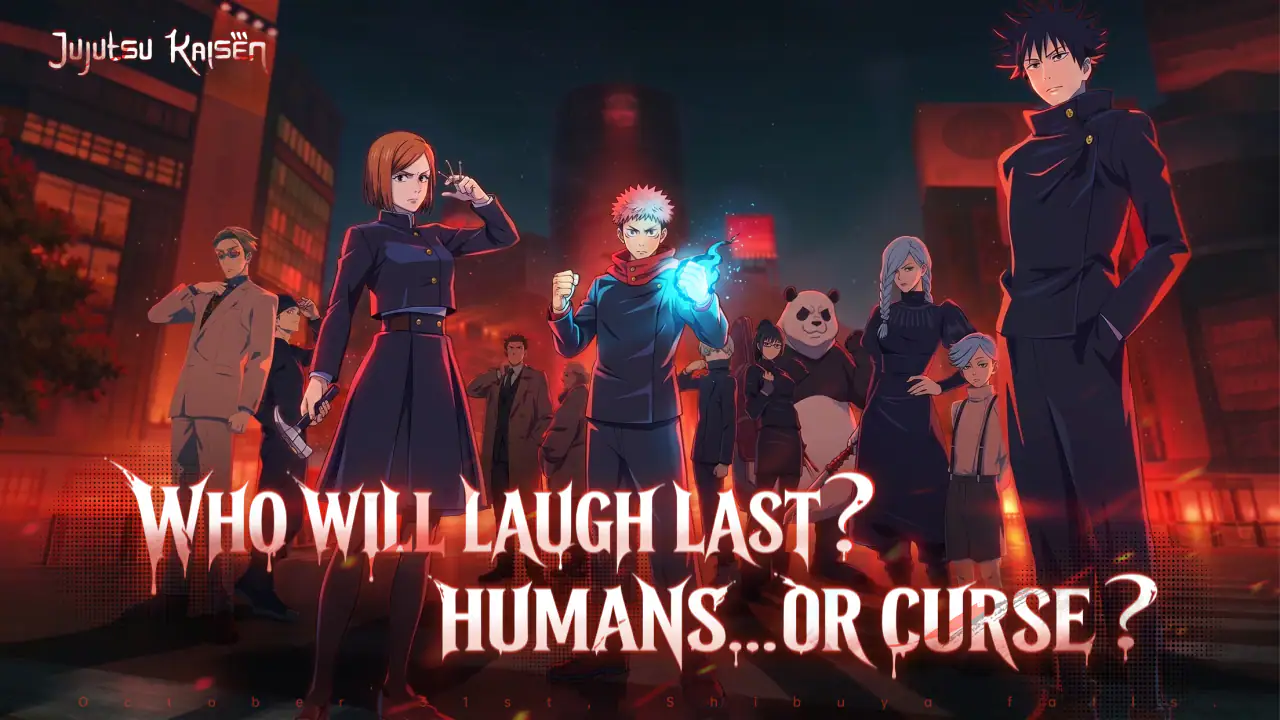
The developer, M16 Rewards, presents the game as a free role-playing experience, but free access does not remove the need for patience. The store page lists optional purchases from $0.99 to $99.99 per item. I would therefore avoid spending during the learning phase. First understand which parts of the team you actually enjoy using; otherwise, a purchase can solve the wrong problem and add pressure to a system you have not yet learned.
Motor and sensory considerations
For motor accessibility, the tactical format is more forgiving than a game based on continuous movement, aiming, or rapid swipes. I can think before committing to an action, which makes it a better fit for players who have difficulty with fast repeated inputs. It is also more comfortable for someone playing with one hand in a short break, provided the screen remains easy to read and the player is not rushing through choices.
That does not mean the experience is effortless for every player. Selecting the right action still depends on accurate touch input, and busy encounters may require repeated attention to small visual details. Players with limited precision may find that a hurried tap leads to a poor decision even when the intended plan was sound. I would play with the phone held steadily and avoid using the game while walking, because the tactical advantage of having time to think disappears when the device itself is unstable.
Sensory load is a more complicated issue. Occult battles naturally rely on dramatic effects, contrasting colors, and movement to communicate attacks. Those elements support the theme, but they can also become tiring for players sensitive to flashing imagery, rapid transitions, or dense animation. I would not describe the game as a low-stimulation experience. Anyone affected by visual intensity should test a short session first and pay attention to how they feel after several battles rather than judging the game from its store summary.
Sound can also influence how accessible the game feels, even when the core decision-making is visual. I often prefer lowering or muting game audio when I need to concentrate, especially in a shared room or when I am already dealing with background noise. If the player depends on audio cues, it is worth checking whether the visual presentation alone provides enough information for comfortable play. I would not build a strategy around sound alone; the important decisions should be made by watching the battle state.
Playing in different everyday situations
The game fits best into a quiet break at home, a waiting room, or a short rest period when I can give the screen consistent attention. A realistic example is a player taking a ten-minute break after work: rather than beginning a long, reflex-heavy session, they can examine a team, complete a few tactical encounters, and stop after a natural decision point. That makes the game more approachable than an action title that punishes putting the phone down mid-movement.
It is less suitable for a crowded commute, a dim room, or any situation in which glare makes the screen difficult to inspect. Tactical play depends on reading the state of several units, so environmental conditions matter more than they would in a simple puzzle. I would also avoid starting a serious match when I expect interruptions. A player who is frequently called away may prefer a game with shorter, more disposable rounds or a stronger pause structure.
For younger players, the content rating is Everyone, which makes the game broadly approachable from an age-rating perspective. That should not be confused with automatic ease of use. A younger player may understand the supernatural theme but still need help with planning a five-character team, recognizing why a defeat happened, and making sensible decisions around optional purchases. I would treat the game as something to learn together rather than assuming the age rating explains its complexity.
The minimum operating system is Android 8.0, so device compatibility is a practical checkpoint before downloading. Players using older hardware or a phone with limited available space should consider how comfortably the device handles a visually active role-playing game. I would also keep the screen clean and use a stable grip; those small habits reduce accidental taps and make the interface easier to inspect.
Where the experience still creates barriers
The largest barrier is information density. Five characters on each side create a lot of possible outcomes, and a new player may not immediately know which detail deserves attention. This is not a reason to reject the game, but it does make the first sessions more demanding than the short description suggests. I would have preferred a learning path that makes the logic of team decisions feel obvious from the beginning.
Another barrier is the gap between understanding the theme and understanding the systems. “Cursed energy” is a memorable idea, but a memorable theme does not automatically explain how to spend, conserve, or prioritize it in a particular encounter. I found that the safest approach was to observe what changes after each action and keep notes mentally: which choice protected the group, which one created an opening, and which one left the team exposed. That kind of self-teaching may frustrate players who expect direct explanations.
Optional purchases can add a second kind of pressure. Because the game is free to play and lists individual items ranging from less than a dollar to amounts close to one hundred dollars, I would set a personal spending limit before becoming invested in progression. This is particularly important for players who are prone to impulse purchases after a difficult battle. The healthiest way to approach it is to treat spending as completely separate from learning: if I cannot explain why a purchase improves my preferred play style, I should wait.
There is also a social and sensory barrier in the way supernatural combat is presented. A player who dislikes intense occult imagery may not enjoy the atmosphere even if the tactical structure is appealing. Conversely, someone who wants constant action may find the planning pace too restrained. The same design choice that helps players who need more time can feel slow to players who prefer immediate physical control.
Who should try it, and who should choose something else
I think this game is a good match for fans of anime-inspired role-playing games who enjoy building a squad and testing decisions against a full opposing lineup. It is particularly suitable for someone who likes asking, “What went wrong in that battle?” and then changing one part of the plan. The five-on-five structure gives defeats enough information to study, which is more satisfying than losing without knowing whether timing, equipment, or reflexes caused the problem.
It is also a reasonable choice for players who want a mobile RPG that does not depend entirely on rapid movement. The tactical format gives me room to pause mentally, and that makes it easier to play during a calm break than a real-time combat game. However, the benefit depends on the player being comfortable processing several characters and effects at once. Someone who needs very simple visual layouts may find a smaller-scale RPG more accessible.
I would skip it if my priority were a quiet, low-stimulation experience, a story-first game with minimal combat management, or a title that explains every system in a highly guided way. I would also choose a conventional action RPG instead if I wanted direct control over one hero rather than responsibility for a whole five-person formation. The comparison is not about which genre is better; it is about whether I want to think through a group’s options or personally control every movement.
The current version is 1.0.1, and the game has attracted over one hundred thousand installs with an average rating of 3.9 from around five hundred ratings. Those figures suggest a real audience, but they do not replace personal testing. Ratings can tell me that the game has found interested players; they cannot tell me whether its visual pace, learning curve, or purchase structure suits my own needs.
My inclusive verdict
My final view is that Jujutsu: Malevolent Shrine has a promising tactical identity, but it is not universally comfortable. Its biggest accessibility advantage is the chance to think before acting, which lowers the motor demand compared with fast action games. Its biggest weakness is the amount of information packed into supernatural five-on-five encounters, especially for players who need simple navigation, restrained visuals, or unusually clear explanations.
If I were recommending it to a friend, I would say: try it in a quiet setting, play slowly, and build your understanding before considering any purchase. Start with a stable team, change one decision after each defeat, and judge the game by whether its battles become clearer with practice. That workflow gives players with different abilities a fairer chance to discover whether the tactical structure works for them.
The game is free, rated Everyone, and available for devices running Android 8.0 or later, but those points are only the beginning of the decision. The more important question is whether you enjoy reading several combatants, managing cursed-energy choices, and accepting a visually active presentation. For me, it is worth trying when I want an occult role-playing game with planning at its center. I would not call it the best choice for every player, yet its strategic format gives it a distinct place among mobile RPGs.
My recommendation is measured rather than automatic: download it if you like squad tactics and are willing to learn through experimentation; pass if you need a calm interface, minimal sensory stimulation, or a game that never asks you to interpret a crowded battle screen.
FAQs for Jujutsu: Malevolent Shrine
What is Jujutsu: Malevolent Shrine?
Jujutsu: Malevolent Shrine is a mobile game inspired by the supernatural battle-anime style of cursed techniques, powerful sorcerers, and intense rivalries. Depending on the version available in your region, it may include character collection, combat missions, progression systems, and team-based gameplay. Before downloading, check the official store description and screenshots to confirm the exact features, supported devices, and current content.
Is Jujutsu: Malevolent Shrine an official Jujutsu Kaisen game?
The title and presentation may resemble the Jujutsu Kaisen universe, but users should not automatically assume that it is an officially licensed game. Look for publisher information, licensing details, and the developer’s official website on Google Play or the App Store. If those details are unclear, treat it as a fan-made or independently inspired title and avoid sharing unnecessary personal information.
Can I play Jujutsu: Malevolent Shrine offline?
Offline availability depends on the game version and its online requirements. Many anime-inspired mobile games need an internet connection for account creation, advertisements, cloud saves, events, updates, or server-based battles, even if some missions appear playable offline. Check the store listing and test the game after installation before relying on it during travel or without mobile data.
Is Jujutsu: Malevolent Shrine free to download and play?
The application may be free to install, but it can still contain advertisements, optional purchases, energy systems, premium currency, or paid progression features. Review the in-app purchase section before downloading, especially if children will use the device. Also verify whether the game provides meaningful progress without spending money, since free-to-play balance can vary considerably between updates.
What should I check before installing Jujutsu: Malevolent Shrine?
Before installing, confirm that the app comes from a trustworthy store listing and that the publisher, download size, age rating, permissions, and recent reviews look legitimate. Make sure your Android or iPhone has enough free storage and meets the listed system requirements. It is also wise to read the privacy policy and avoid unofficial APK files or modified downloads that may contain security risks.
Pros
- Fast-paced combat with satisfying attack effects
- Simple controls make it easy to start playing
- Anime-inspired visuals appeal to Jujutsu Kaisen fans
- Short sessions work well for quick mobile gaming
- Character abilities create varied combat strategies
Cons
- Repetitive enemy encounters can reduce long-term variety
- Progression may feel slow without frequent upgrades
- Heavy effects can make combat difficult to read
- Limited content may reduce replay value
- Performance can vary on older smartphones


